


Why 80% of Real Estate Agencies in Spain Lose Money on Their Website
If your real estate website in Spain generates traffic but fails to produce consistent inquiries, the problem is not advertising.
The problem is architecture.
Most agencies on the Costa Blanca treat their website as a property catalog. However, international buyers are not looking for a catalog. They are looking for structure, clarity, trust, and a clear next step.
This is where money is lost.
Catalog Instead of a Guided Experience
Many websites simply display listings without guiding users through a structured decision-making journey. Investors, lifestyle buyers, and rental-focused clients are placed into the same flow. Without segmentation, there is no strategic conversion path.
No Pre-Qualification Process
Leads come in unfiltered. There is no qualification layer, no budget clarification, no automated segmentation. As a result, sales teams spend time on low-quality inquiries while serious buyers remain unidentified.
Lack of Trust Infrastructure
Most websites fail to explain the buying process in Spain. There is no educational content, no authority positioning, and no structured guidance. The agency appears to be a listing provider rather than a transaction manager.
The typical reaction is to increase advertising spend.
More traffic. Higher cost per lead.
No meaningful improvement in conversion.
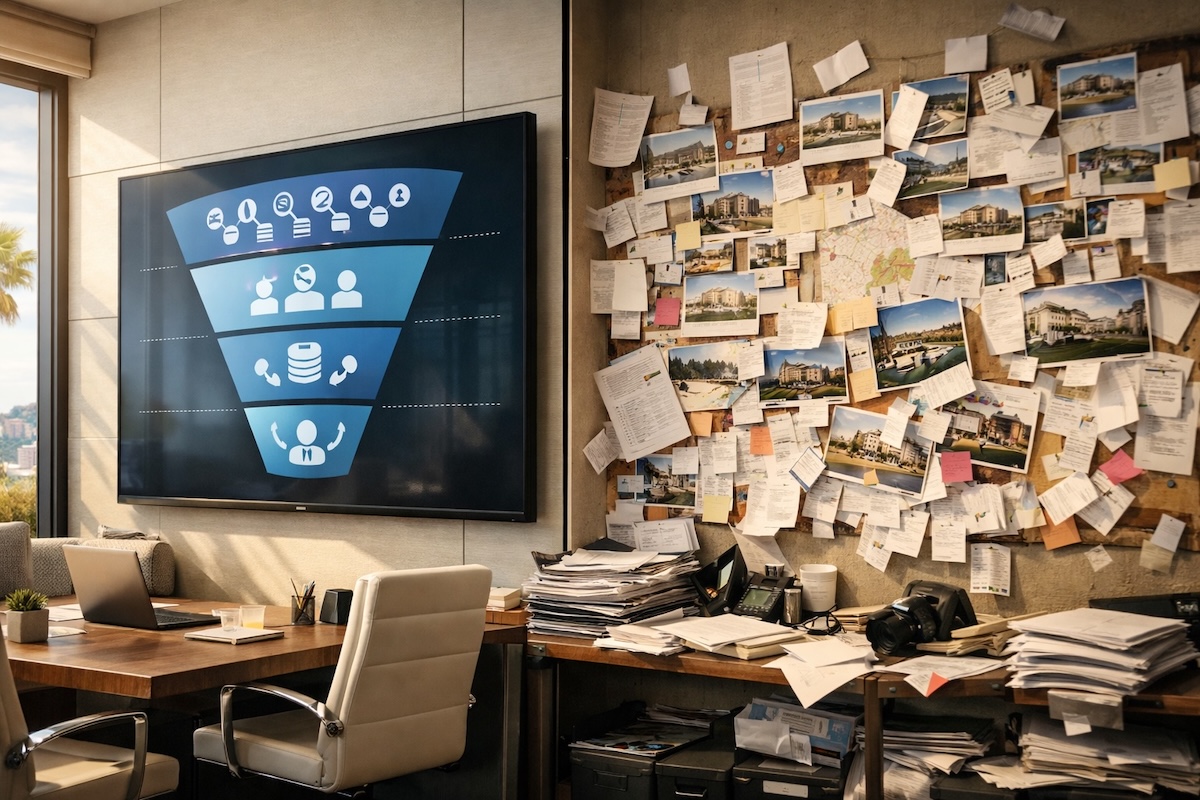
In 2026, a real estate website is not a digital brochure. It is sales infrastructure.
A high-performing website must include:
- Clear audience segmentation
- Behavior-based user journeys
- Authority-driven content
- CRM integration
- Lead nurturing systems
Only after this structure is in place does traffic amplification make financial sense.
If your website does not feel like it is actively managing your sales process, then it is operating as a catalog — not as a system.
That distinction directly impacts profitability.
Leave a comment:
You must be logged in to post a comment.


